Why Homes Need More Electrical Capacity Than They Did 20 Years Ago
July 30, 2026
Home electrical capacity is the total amount of power your panel and service can safely deliver at once, measured in amps. Homes need more of it today because the number of high-draw devices under one roof has grown fast. Electric vehicle charging, heat pumps, induction cooking, big electronics, and backyard features like pools and hot tubs all pull steady, heavy current that barely existed in homes 20 years ago. A panel sized for a 2005 household often runs close to its limit long before anyone living there notices. That is why capacity planning has become part of owning an older home.
Walk through a house built in the early 2000s and count what's plugged in. Now picture the same house today. A car charging in the garage. A heat pump humming outside. Two home offices running monitors and space heaters, a hot tub cycling on the patio, and a kitchen full of countertop gadgets that each want their own outlet. The walls didn't change. The wiring behind them usually didn't either. What changed is how much electricity the people inside now ask that old system to move every single day.
That gap between an aging electrical system and modern demand is the quiet reason so many homeowners end up thinking about their panel. You don't have to be renovating or building an addition. Ordinary life just got more electric, and the equipment that hands out power inside a house has a hard ceiling. Knowing where that ceiling sits, and why it feels lower every year, is the first step toward a home that keeps up with how you actually live.
What "Electrical Capacity" Actually Means
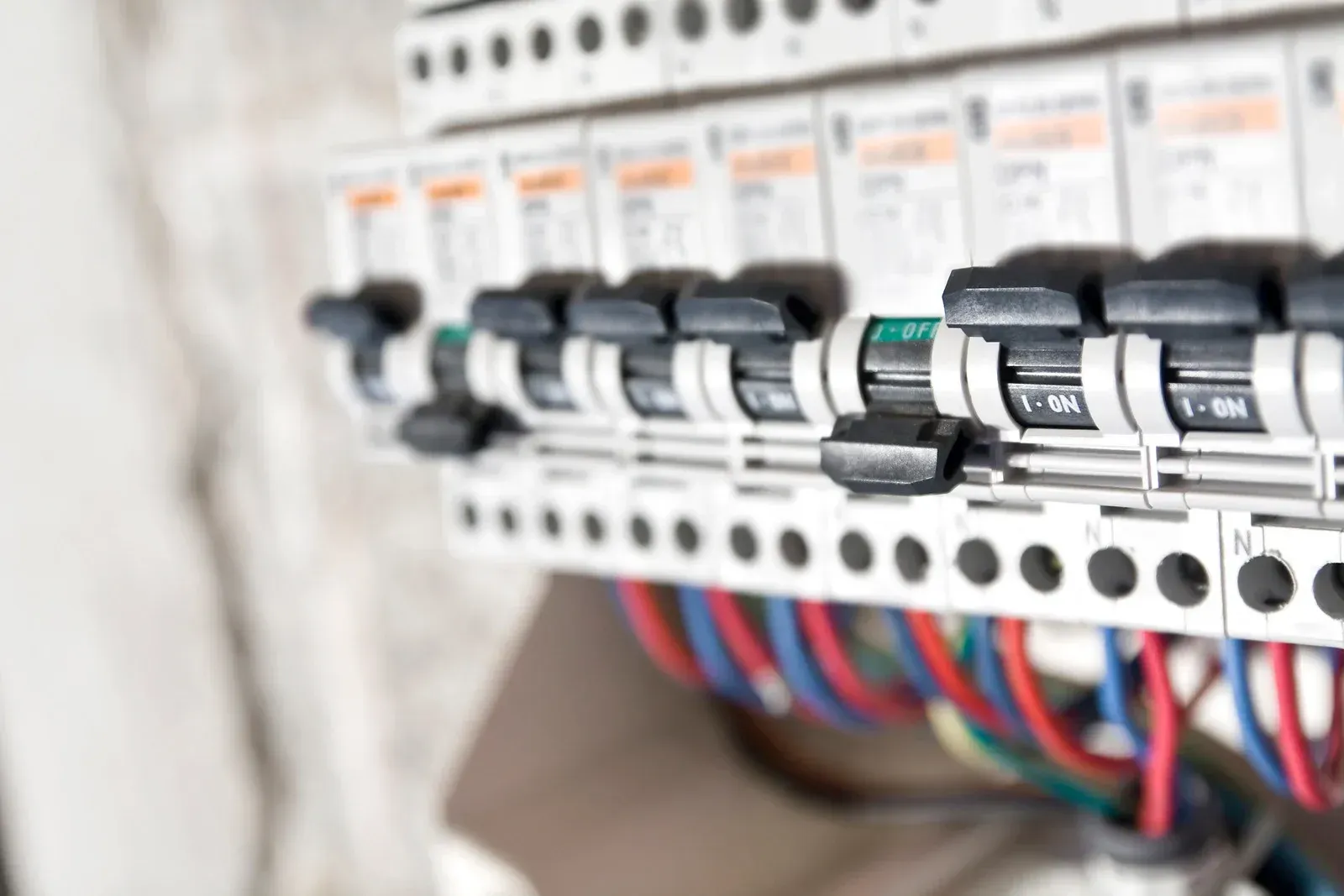
Your home has a service size, measured in amps, that sets the most current the utility connection and main panel can safely handle. You'll hear common sizes tossed around: 60, 100, 150, and 200 amps. The panel is the distribution hub. Power comes in from the meter, hits the main breaker, then splits out to the circuits that feed your rooms, your appliances, and your outdoor equipment.
Capacity isn't one single number, though. It works on two levels at the same time. There's the total service size, and there's the count of breaker slots inside the panel. A home can run short on either. You might have plenty of amperage on paper but no open slot left to add a circuit. Or you might have empty slots and a service too small to carry one more heavy appliance without pushing the whole system past comfort.
Electricians think in terms of load. That's the sum of everything that could reasonably run together at once. A load calculation weighs your heating and cooling, kitchen, laundry, water heating, and any big dedicated equipment, then holds that number up against what the service can safely give. When the demand starts crowding the service size, the home has lost its headroom. And that headroom is exactly what's been quietly shrinking in houses everywhere for two decades.
In Florence and the surrounding Boone County area, we frequently service homes built in the 1980s and 1990s where the original panel was sized for far fewer devices than the home currently runs. Kitchen circuits designed for a coffee maker and a toaster are now powering air fryers, espresso machines, and countertop ovens simultaneously. The breaker is not failing. It is correctly responding to a load it was never designed to handle.
Circuit overload:
Loose or corroded wiring connections:
Northern Kentucky's seasonal temperature swings, from humid summers near the Ohio River to hard freezes in January, cause repeated thermal expansion and contraction inside panels. Over years, this loosens terminal screws and accelerates oxidation on aluminum wiring, which was commonly used in homes built between 1965 and 1975. A loose connection generates heat, and that heat can cause a breaker to trip under loads well below its rating.
Ground faults and arc faults:
GFCI and AFCI breakers trip for electrical events that standard breakers are not sensitive enough to detect. If you replaced a standard breaker with an AFCI breaker and it trips more often than the old one, the new breaker is probably not defective. It is detecting low-level arcing that was always there but previously went unnoticed.
The Home of 20 Years Ago Was Built for a Different Life
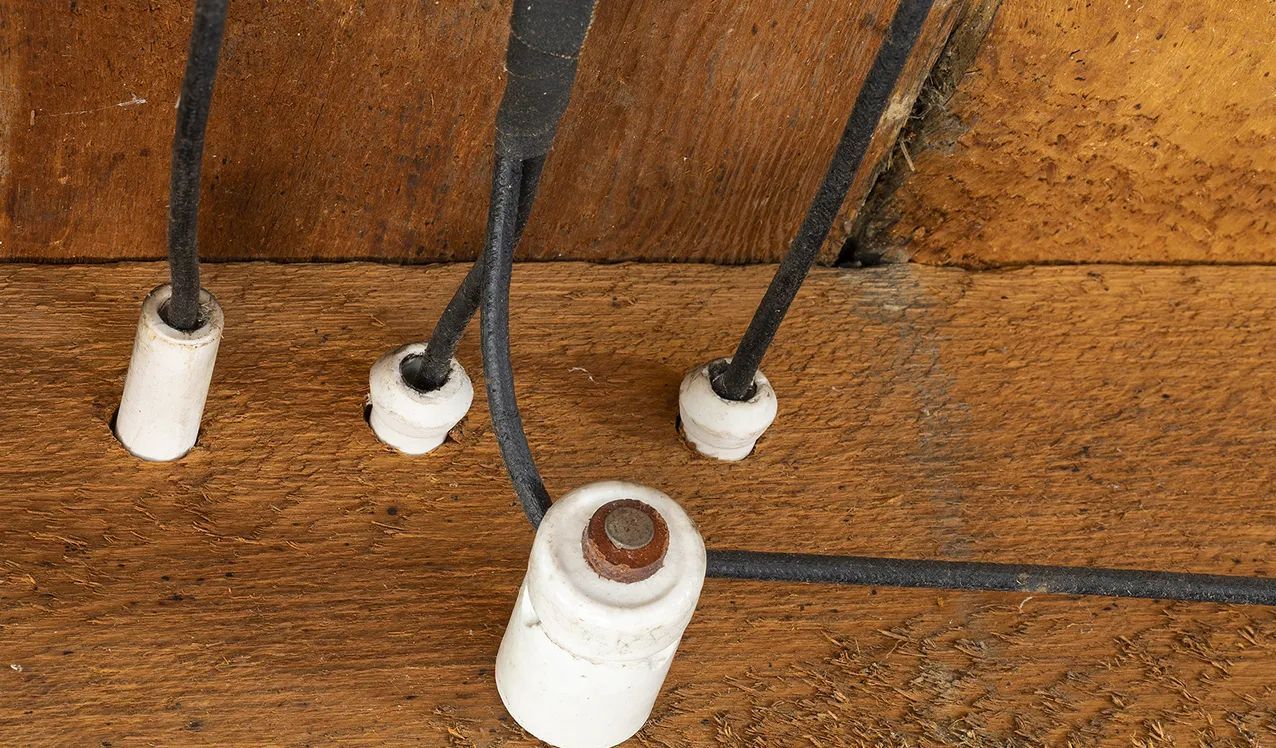
A house wired in the early 2000s was designed around a short, predictable list of loads. Central air or a gas furnace. A gas or standard electric range. A dryer, a water heater, a fridge, some lighting, and a handful of outlets for lamps, a desktop computer, and a TV or two. For that kind of life, a 100-amp service was often plenty, and even smaller services hung on in older homes without causing daily trouble.
The assumption baked into that design was simple. Most of the home's heavy energy would come from something other than the panel. Heat usually came from natural gas. Cooking often came from gas. Cars filled up at a pump down the road, not in the garage. Entertainment and work ran on a few devices, not a dozen. The panel carried a real share of the household's energy appetite, but a limited one.
Two things tipped that balance. First, more of the home's core jobs moved onto electricity. Second, brand-new categories of equipment showed up and started drawing power at levels a 2005 designer never planned for. Put those together and the same square footage now leans on its electrical system far harder than it used to. The panel that once had breathing room is doing more work than it was ever sized to do.
What Changed: The New Loads Pulling on Your Panel
Not every modern gadget matters here. Phone chargers and LED bulbs barely sip. The loads that reshape a home's electrical picture are the big, steady ones, and several of them became common in the last twenty years.
Electric vehicle charging:
A car charging at home is one of the largest sustained loads a house can add. A Level 2 charger runs for hours at a stretch and acts like a major appliance that works the night shift, every night. Twenty years ago this load didn't exist in homes. Today a single charger can eat a real slice of a smaller service on its own.
Heat pumps and electric heating and cooling:
As homeowners move off fossil-fuel heat, electric heat pumps handle both warming and cooling from one system. That shift pulls a load that used to sit on a gas line and drops it straight onto the panel. Backup electric resistance heat, which kicks in on cold Northern Kentucky mornings, piles on even more draw when the temperature falls.
Induction and electric cooking:
Kitchens that once ran on gas are going electric, and induction cooktops in particular want strong, dedicated circuits. Add a wall oven, an air fryer, and a counter crowded with small appliances, and the kitchen becomes one of the hungriest rooms in the house.
Home offices and heavier electronics:
The work-from-home shift filled spare bedrooms with monitors, docking stations, networking gear, and space heaters running all winter. A home that used to have one computer might now run three workstations at once, each on its own outlet, often on circuits never meant for that much steady use.
Pools, hot tubs, and outdoor living:
Backyard features took off, and they're serious electrical loads. A hot tub needs a dedicated circuit and heats water for hours. A pool runs pumps, heaters, and lights all season. These aren't weekend novelties. They're equipment that draws power on a schedule, and each one takes a bite out of what the home has left to give.
Additions, finished basements, and detached spaces:
Every time square footage gets finished, or a detached garage or shed gets powered, fresh circuits stack onto the same panel. Twenty years of small, sensible improvements can quietly fill a box that looked half empty the day the family moved in.
Why the Math Sneaks Up on You
Here's the part that catches people off guard. These loads pile up slowly. Nobody adds a car charger, a heat pump, a hot tub, and an induction range on the same afternoon. They arrive one at a time, spread across years, each one feeling like a small thing. The panel keeps absorbing them until, one cold evening, everything wants to run together and the system is asked for more than it can comfortably deliver.
Because the growth is gradual, the strain hides. A home doesn't announce that it's reached its ceiling. It just starts running with thinner and thinner margin, and the day you want to add the next big thing, you find there's no room left. That's why planning ahead on capacity matters more now than it did for earlier generations, who could reasonably expect their loads to stay about the same for the life of the house.
Planning Capacity for the Next 20 Years
If the last two decades added electric cars, heat pumps, and induction kitchens to ordinary homes, it's fair to expect the next two decades to keep pushing the same direction. Homes are getting more electric, not less. Planning capacity today means leaving room for loads you haven't even chosen yet.
The homes that age well are the ones with headroom built in. A service and panel sized with margin can soak up tomorrow's additions without drama, while a system already near its limit turns every future upgrade into a two-part job. Think about capacity as infrastructure, the foundation everything else plugs into, rather than a fixed feature of the house. That mindset alone tends to make the choices that hold up over time.
WARNING: Adding heavy loads to a service that's already near its ceiling isn't a do-it-yourself judgment call. Overloading a panel, or stringing new demand onto circuits never rated for it, creates real fire and shock hazards. Panel capacity, service upgrades, and new dedicated circuits are work for a licensed electrician who can calculate the load and confirm the system can carry it safely.
Frequently Asked Questions
How do I know if my home is running low on electrical capacity?
A professional load calculation gives the clearest answer, weighing everything your home could run at once against what your service safely delivers. Homes that quietly added chargers, heat pumps, or hot tubs often run close.
Is a 100-amp service still enough for a modern home?
It depends entirely on the loads. A 100-amp service works comfortably with gas heat, gas cooking, and modest demand, but feels tight once heating, cooking, and charging go electric. The relationship matters, not the number.
Does adding an EV charger or hot tub require more capacity?
Both are large, sustained loads, exactly the kind that push a home past comfortable capacity. Whether your service supports one depends on your headroom. A licensed electrician can run numbers before installation and confirm room.
Why do older homes struggle with modern electrical demand?
Older homes were designed around their era's loads, often gas heat, gas cooking, and a light electrical footprint. Their original panels never anticipated continuous heavy loads. As families add modern equipment, that gap keeps widening.
Can I just add circuits instead of upgrading the whole service?
Sometimes, yes. If your service has spare capacity but the panel lacks physical slots, a subpanel adds room. If the service itself is near its limit, adding circuits only crowds a system that's already full.
What is the difference between my panel and my service size?
Your service size is the total amperage the utility connection and main breaker deliver, the overall ceiling. The panel splits that power into circuits. A small service caps power; a full panel caps new circuits.
Living Electric in an Older House
Homes across Florence, Kentucky, Northern Kentucky, and the greater Cincinnati area were built to last, and many will outlive every appliance plugged into them today. What they could not predict was how electric daily life would become. Realizing that your capacity ceiling is fixed while your demand keeps climbing is not a reason to worry. It is simply part of owning a home in a more electric age. The households that plan ahead can keep adding the conveniences that make everyday life easier, one confident upgrade at a time, with an electrical system that has the room to grow safely and reliably.
Understanding your home's electrical capacity before making major additions helps prevent unnecessary setbacks, unexpected costs, and future limitations. With 15+ years of experience, SES Electric has helped homeowners throughout Florence, Kentucky, and the surrounding Northern Kentucky communities evaluate existing systems and prepare them for modern electrical demands. Whether upgrades happen gradually or all at once, thoughtful capacity planning creates a stronger foundation for the years ahead, allowing your home to adapt confidently as technology, appliances, and everyday living continue to evolve.